
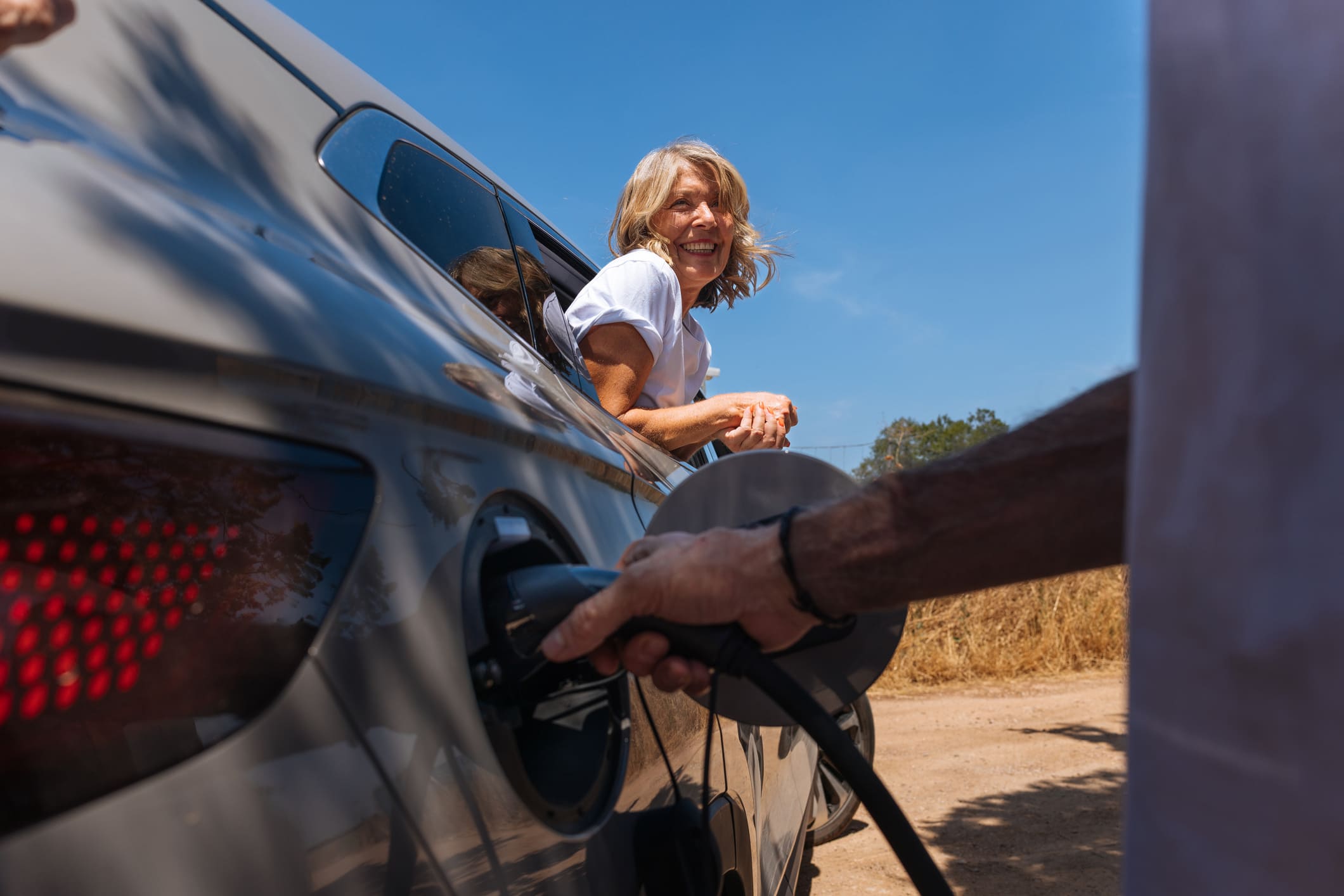
So here’s a question worth sitting with: what if your next car came without that weekly sting?
In 2026, switching to an electric vehicle isn’t really about saving the planet. Or at least, that’s not the main reason people are doing the maths. It’s about the simple, repeatable reality that charging at home costs a fraction of what you’re currently paying at the servo. Finance the car like you would any other loan, offset those repayments with what you’re no longer spending on fuel, and the picture starts to look a lot more interesting than you might expect.
This isn’t a pitch for an overnight financial miracle. But if you’re already thinking about your next car, it might be time to run the numbers properly.
The weekly cost you’ve stopped questioning
Most of us have just absorbed the price of petrol as a fact of life. It goes up, we wince, we pay it and move on. But when you actually add it up across a month, the number tends to surprise people. For an average driver covering around 15,000 kilometres a year, petrol costs can easily run to $250 to $300 a month or more depending on your vehicle and where you live. That’s money leaving your account quietly, every single week, without much to show for it.
The thing is, that cost is so routine it rarely gets factored into conversations about car affordability. People will spend weeks agonising over a loan repayment figure but accept the fuel bill without a second thought. It’s just part of owning a car.
Except it doesn’t have to be.
What switching actually looks like financially
This is where a lot of people get stuck. The assumption is that buying an electric vehicle means a big upfront commitment, a premium price tag, and years of waiting to break even. And while EVs do sit at a higher sticker price than some petrol equivalents, the way most people buy cars makes that less of a barrier than it sounds.
You finance it. Same as you would any other vehicle.
A car loan for an EV works exactly like a car loan for anything else. You agree on a term, you make monthly repayments, and you drive away. The difference is what stops happening once you do. No more servo visits. No more watching fuel prices before you plan a long weekend. Instead, you plug in at home overnight and wake up to a full charge that costs you a few dollars.
The numbers vary depending on your vehicle, your electricity rate, and how much you drive. But as a rough guide, home charging an EV for a month typically costs somewhere in the range of $40 to $80 for an average driver. Compare that to $250 or more in petrol and you start to see where the conversation gets interesting. That gap does not eliminate a loan repayment, but it goes a real way toward offsetting it.
Is it the right move for everyone?
Probably not, and it’s worth being straight about that.
If you don’t have reliable off-street parking, home charging becomes complicated. If your daily driving involves long regional runs without access to charging infrastructure, the logistics need more thought – albeit, the infrastructure has come a long way in recent years. And if your current car is running fine and your budget is already stretched, adding any new repayment into the mix deserves careful consideration regardless of the savings on fuel.
But for a growing number of people, those barriers don’t apply. You park at home, you drive a predictable daily distance, and you’re already thinking about your next car. For that person, the question isn’t really whether an EV makes sense. It’s whether the numbers work out better than they assumed.
In a lot of cases, they do. Not because EVs are magic, but because the comparison point has shifted. Petrol is expensive and stays expensive. Home electricity, even with rising rates, is significantly cheaper per kilometre. When you fold that into a standard financing arrangement, the real cost of ownership starts to look different to what most people have in their heads.
Running the numbers on your own situation
Every buyer’s situation is different. Your driving habits, your current fuel spend, your electricity rate, the loan term that works for your budget. All of it affects how the maths lands for you specifically. Which is why the best thing you can do isn’t to read more articles about EVs. It’s to actually put your own numbers in and see what comes back.
That’s what we’re here for. We work with a range of lenders to find vehicle finance that fits your situation, whether you’re looking at electric, hybrid, or traditional. If an EV is something you’ve been turning over in your mind, we can help you work out what repayments might look like and whether the fuel savings shift the equation enough to make it worth moving on.
The weekly servo visit is one of those costs that feels inevitable right up until it isn’t. It might be worth finding out which side of that line you’re on.
Get in touch with our team or use our loan calculator to start running your numbers today.